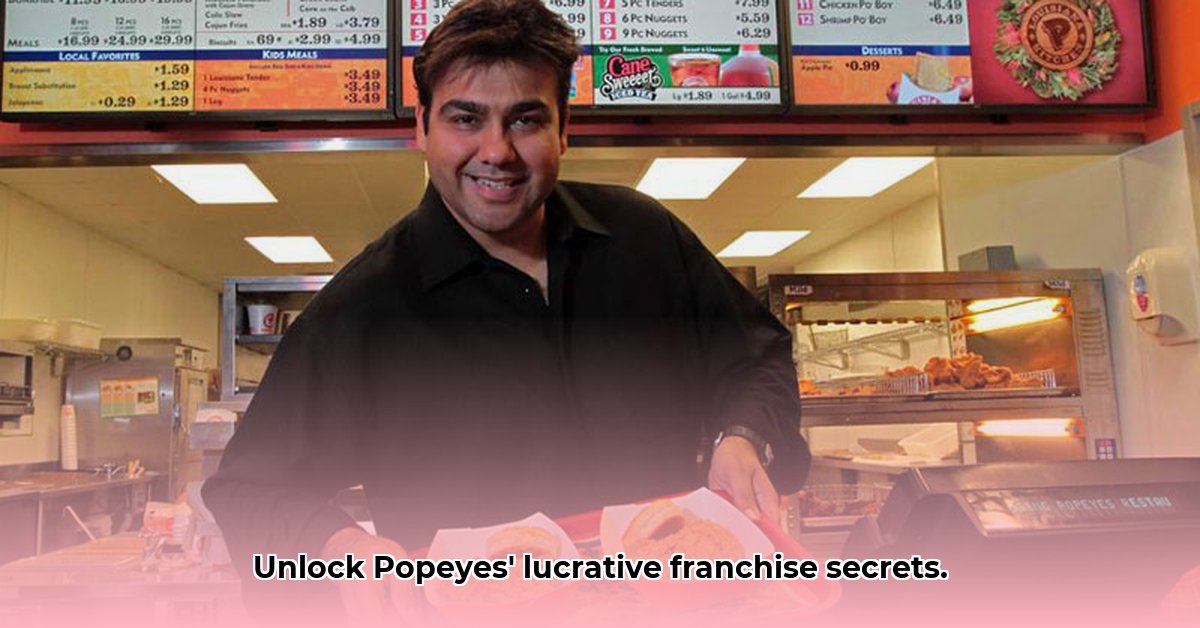
Popeyes Franchise Profitability: A Realistic Assessment
The allure of owning a Popeyes franchise is undeniable: the brand recognition, the popular menu items, the potential for substantial profits. However, the path to success isn't paved with fried chicken alone. While the overall net worth of Popeyes is not publicly available, understanding the financial realities of franchise ownership is crucial. This guide offers a realistic look at potential profitability, navigating the complexities and risks involved. We will explore the financial landscape, assess key risks, and provide a step-by-step guide to help you determine if Popeyes franchise ownership aligns with your goals.
Deciphering the Financial Picture: Franchise Costs and Revenue
Determining a precise "Popeyes net worth" for the entire company is impossible due to the lack of publicly available information. However, analyzing individual franchise financials offers valuable insights. Reports suggest average annual sales ranging from $1.4 million to $1.8 million. This sounds promising, but individual performance varies significantly depending on location, management, and market conditions. Therefore, relying solely on averages is misleading; independent market research is essential.
The initial investment is substantial, typically ranging from $235,000 to $454,000. This doesn't include the significant additional liquid assets – potentially exceeding $1 million – needed for initial operating costs and contingencies. Beyond the upfront cost, ongoing fees significantly impact profitability. Royalty fees average 5% of gross sales, and advertising contributions are roughly 4%. These recurring costs must be factored into any realistic financial projections. How can you accurately predict your own franchise's profitability when variability is so high?
Navigating the Risks: A Comprehensive Assessment
The success of your Popeyes franchise hinges on carefully navigating several risk factors:
| Risk Factor | Likelihood | Impact | Mitigation Strategies |
|---|---|---|---|
| High Initial Investment | Very High | Very High | Secure substantial funding (loans, investors, personal savings); conduct thorough due diligence; explore SBA loans or other alternative financing. |
| Intense Market Competition | High | High | Develop a robust local marketing plan; differentiate your franchise through exceptional service and unique offerings; strive for operational excellence to stand out from competitors. |
| Economic Downturns | Moderate | High | Create a strong financial reserve; implement cost-cutting measures as needed; diversify revenue streams beyond Popeyes operations. |
| Operational Challenges | Moderate | Moderate | Invest in comprehensive employee training; implement efficient inventory management and scheduling systems; leverage technology to streamline operations. |
| Regulatory Compliance | Low | Moderate | Stay abreast of local, regional, and national regulations; establish robust compliance procedures. |
Your Step-by-Step Guide to Franchise Ownership
This section details the sequential steps needed to successfully navigate the path to Popeyes franchise ownership.
Step 1: Comprehensive Market Research. Thoroughly analyze your target market. Identify demographics, assess competition (both direct and indirect), and analyze local economic conditions. This research is not optional; it's the foundation for your business plan and funding applications.
Step 2: Detailed Financial Planning. Create a thorough business plan that extends beyond optimistic projections. Include realistic revenue forecasts, detailed expense budgets (including royalties and advertising), and accurate profit margin calculations. Secure sufficient financing through a combination of personal funds, loans, and/or investors. A well-structured financial plan significantly improves your chances of approval.
Step 3: The Franchise Application Process. Popeyes' vetting process is rigorous. Prepare a comprehensive application highlighting your financial stability, business acumen, and operational experience. Transparency and meticulous organization are key.
Step 4: Operational Excellence. Effective day-to-day management is vital. Invest in employee training, implement efficient scheduling and inventory control systems, and prioritize exceptional customer service. Consistent operational excellence is crucial for long-term success.
Long-Term Strategy: Sustained Growth and Adaptability
Long-term success requires continuous adaptation. Monitor market trends, reinvest profits strategically, and explore avenues for innovation and expansion. Stay abreast of industry changes and adapt your strategies accordingly. Consider menu updates, targeted marketing, and potential expansion opportunities as your franchise flourishes.
Conclusion: Weighing Potential Against Peril
Owning a Popeyes franchise offers the potential for significant profits, but it's not without substantial risk. The substantial initial investment, ongoing operational costs, and intense competition demand thorough planning, risk management, and unwavering dedication. The information in this guide should highlight the necessity of due diligence before embarking on this venture. Remember, success hinges on meticulous planning, effective management, and a commitment to adapting to a dynamic market.
The Billion-Dollar Biscuit: Unpacking Popeyes’ Valuation
Popeyes Louisiana Kitchen, a subsidiary of Restaurant Brands International (RBI), has transformed from a beloved regional chain into a global fast-food powerhouse, and its valuation reflects this impressive ascent. While Burger King and Tim Hortons are often the marquee names within RBI’s portfolio, Popeyes has quietly become a significant growth driver and a jewel in the crown, particularly after its explosive success with the chicken sandwich. Its value isn’t merely derived from the number of chicken pieces sold, but from its potent brand equity, consistent same-store sales growth, robust franchise model, and immense untapped international expansion potential, all contributing to a healthy chunk of RBI’s overall market capitalization.
Analysts and investors look beyond current revenue to assess Popeyes’ true worth, focusing on its future earnings potential and strategic position in the competitive quick-service restaurant landscape. The brand’s strong operating margins, efficient supply chain, and ability to continually innovate while maintaining its distinct culinary identity are key value drivers. As Popeyes continues to open new locations worldwide and deepen its market penetration, its predictable royalty streams and stable cash flow generation make it an incredibly attractive asset. This combination of strong brand loyalty, proven growth trajectory, and operational excellence positions Popeyes as a critical contributor to RBI’s enterprise value, cementing its status as far more than just a purveyor of delicious fried chicken.